
Using CGM (continuous glucose monitoring) to Evaluate Circadian Rhythm and Lifestyle

Updated: Dec 11, 2024
If looking at a continuous glucose reading, could one interpret what the timing of their circadian rhythm is, based on the beginning rise of glucose for the day.
It is possible to interpret some aspects of circadian rhythm by looking at continuous glucose readings, specifically by observing the timing of glucose increases during the day. Here’s how and why this works:
Understanding the Link Between Circadian Rhythm and Glucose Regulation
The circadian rhythm is an internal biological clock that regulates various physiological processes, including sleep-wake cycles, hormone release, and metabolism. This rhythm follows a roughly 24-hour cycle, influenced by external cues like light and food intake. One key hormone that is
regulated by the circadian rhythm is cortisol, which is part of the body’s “wake-up” signal and helps prepare the body for activity by increasing glucose production.

The Dawn Phenomenon
In many people, glucose levels begin to rise in the early morning hours (usually between 4 AM and 8 AM), even without food intake. This is called the dawn phenomenon, and it is driven by the release of hormones such as cortisol, glucagon, and growth hormone, which promote glucose production in the liver. This increase in glucose is a normal physiological response as the body prepares to wake up and increase energy availability for the upcoming day’s activities.
Interpreting Glucose Readings to Assess Circadian Rhythm
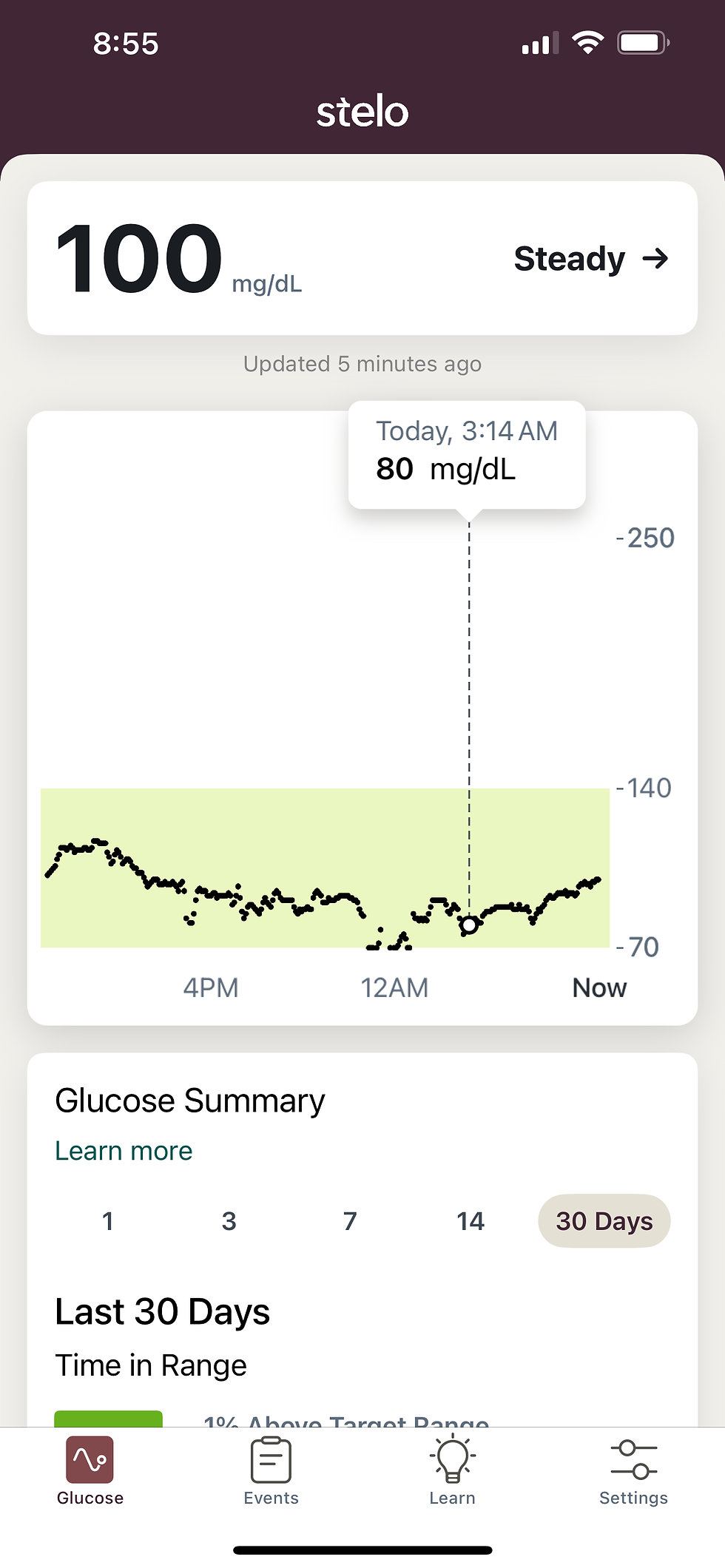
1. Timing of Glucose Rise (Dawn Phenomenon):
• By observing when your glucose levels start to rise in the morning, you can get an indication of when your body’s circadian rhythm is signaling the start of the “day” biologically. This rise typically aligns with the surge in cortisol, which usually happens in the early morning hours.
• For example, if your glucose levels start to increase around 5 AM consistently, this suggests that your biological clock is initiating the day’s metabolism around this time.

2. Consistency in Glucose Patterns:
• The timing of the glucose rise should be consistent day-to-day if your circadian rhythm is stable. Any significant variability in the time of this glucose rise could indicate disruptions in your circadian rhythm, possibly due to irregular sleep patterns, shift work, or even jet lag.
3. Comparison with Sleep and Activity Data:
• If you track your sleep and wake times in conjunction with your continuous glucose monitor (CGM) readings, you can map how well your glucose patterns align with your actual sleep and activity schedules. A well-synced circadian rhythm would show a glucose rise shortly before or around the time you wake up.
4. Impact of Late Eating or Sleep Disruptions:
• Late-night eating or disrupted sleep can alter the timing of glucose rises, reflecting a shift or misalignment in your circadian rhythm. If you notice a delayed glucose rise on mornings after a late meal or poor sleep, this could indicate that your circadian rhythm is temporarily shifted.
Limitations
• Other Factors Influencing Glucose: While the dawn phenomenon can give clues about circadian rhythms, glucose levels can also be affected by factors like insulin sensitivity, carbohydrate intake, and stress. A single morning rise in glucose doesn’t necessarily indicate a precise measure of circadian timing.
• Individual Variability: Not everyone experiences a significant dawn phenomenon, especially those with highly regulated glucose control (e.g., in people with diabetes or those on insulin therapy). Thus, for some individuals, this method may not provide clear insights.
Conclusion
By observing the timing of the daily rise in glucose (often linked to the dawn phenomenon), you can infer the timing of your body’s circadian rhythm, particularly when your metabolism begins to ramp up for the day. This glucose rise generally occurs in the early morning and reflects internal hormonal changes that are part of the circadian rhythm. Consistent timing of the glucose increase could indicate a well-synced circadian rhythm, while variability might suggest circadian misalignment or disruptions.
Want to learn more? Participate in one of our current or future programs on metabolic health.


Comments